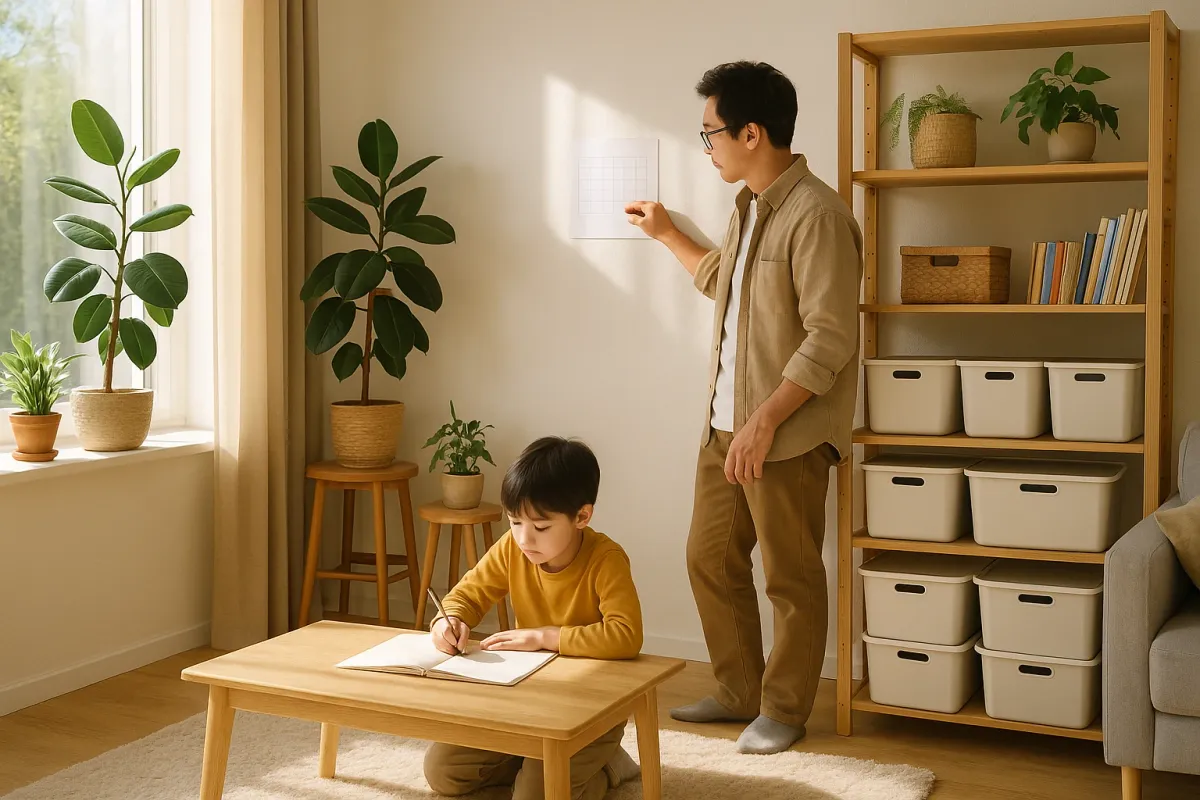
If you’re considering carving out a study nook, converting a spare room, or upgrading a basement into a functional learning zone, this is an ideal time. Hardware stores are stocked for winter indoor projects, and the conversation around that viral homeschool room has put a spotlight on what not to do (overstimulating decor, no storage, flimsy furniture). Below is a practical, construction‑minded guide to building a learning space that’s durable, quiet, and genuinely supportive of focus—without turning your house into a chaotic classroom set.
Plan the Space Like a Workstation, Not a Photo Backdrop
Before you touch a stud finder or buy a gallon of paint, approach your homeschool or study area like you would a small workshop: function first, aesthetics second. The clip that lit up social media showed a space that was visually busy but poorly zoned—no clear desk area, no ergonomic thought, and learning supplies spread everywhere. That’s exactly what you want to avoid.
Start with a scaled sketch (paper is fine) of the room or corner. Mark three key zones: (1) focused work (desk/table), (2) storage, and (3) movement/creative space (floor or side table). Maintain a minimum 30–36 inches of clear walking path, especially near doors. If you’re working in a small apartment or under-stair nook, consider a wall‑mounted fold‑down desk anchored into studs; these can free up floor space while giving a solid work surface. Think about power and data early: note outlet locations, Wi‑Fi strength, and any cable runs you’ll need for a desktop PC or printer. A simple rule from commercial fit‑outs applies here: plan for 20–30% more storage and 2–3 more outlets than you think you need—kids, materials, and tech accumulate fast.
Build Storage Into the Walls Instead of Filling the Floor
One of the biggest criticisms about the trending homeschool setup was the clutter: bins, books, manipulatives, and decor scattered across nearly every visible surface. For a functional learning room, vertical integration is your best friend. Construction pros know that walls carry not just loads, but also much of the organizational potential in any small space.
Use a stud finder to locate studs and map them with painter’s tape before any layout decisions. Then, consider these wall‑based options:
- French cleat systems: Rip a 1x4 or 1x6 board at a 45° angle (table saw or circular saw with a jig). Anchor one half into studs as the wall rail; attach the matching cleat to cabinets, bins, or tool boards. This lets you reconfigure storage without new holes.
- Recessed shelving between studs: In non‑load‑bearing interior walls, you can carefully cut between studs and frame shallow shelving (3–3.5 in. deep) with 1x lumber. Finish with drywall returns or casing and install adjustable shelf pins.
- Track shelving: For dynamic needs, use metal standards anchored directly into studs with structural screws (not just drywall anchors). This keeps shelves solid even under stacks of textbooks.
Keep heavy items (books, reams of paper, electronics) between knee and chest height for safety and ease of access. Lighter items and decor go above. Label everything: adhesive vinyl labels or laser‑printed paper in clear holders will drastically cut down on daily chaos and “Where are the markers?” interruptions.
Design for Acoustics and Lighting to Reduce Distraction
The viral homeschool discourse touched on comfort and “coziness,” but most of the conversation overlooked something builders pay close attention to in offices and classrooms: sound and light. Poor acoustics and harsh lighting can tank concentration, especially in small homes where multiple people are working from home.
For sound control:
- Soft finishes: If you have hard flooring (tile, vinyl, hardwood), add a dense area rug with a quality pad to absorb footfall noise. Curtains or fabric wall panels on one or two walls can dramatically cut echo.
- DIY acoustic panels: Build simple 2x4 ft frames from 1x3 lumber, fill with mineral wool or acoustic insulation, wrap in breathable fabric, and mount on French cleats or Z‑clips. Target the wall behind and opposite the desk.
- Door upgrades: A solid‑core door and adhesive weatherstripping around the jamb can significantly reduce noise bleed from the rest of the house. If replacing the door isn’t feasible, use a door sweep and perimeter seals.
For lighting:
- Layered light: Combine overhead ambient lighting (a central fixture or recessed lights) with a dedicated task light at the desk, ideally with a 4000K–5000K color temperature for alertness.
- Avoid glare: If kids are on screens, position monitors perpendicular to windows when possible. Use roller shades or cellular blinds to soften bright daylight.
- High CRI bulbs: Look for LEDs with a high CRI (color rendering index) for accurate color perception—important for art, science projects, and reading fatigue.
Treat light and sound as core construction decisions, not afterthoughts; they often matter more to daily performance than the color of the walls or the style of the chairs.
Build or Upgrade a Real Work Surface and Seating
One recurring theme in critiques of the viral clip was the mismatch between the “cute” setup and what kids and teens actually need for hours of reading, writing, or typing. From a builder’s perspective, this is about getting three fundamentals right: work surface height, chair support, and structural solidity.
Work surface:
- Standard desk height is around 28–30 inches, but for younger children you may want 24–27 inches. Adjustable‑leg desk frames are a smart buy if you expect to use the space for multiple ages over several years.
- For DIY desktops, 3/4‑inch birch plywood, MDF with edge banding, or solid‑wood butcher block are all solid options. Seal with a durable, low‑VOC polyurethane or hardwax oil for easy cleaning.
- Anchor fixed desks into the wall with angle brackets into studs to prevent wobble. For freestanding tables, use corner brackets and cross‑bracing on the underside if you notice movement.
Seating:
- Avoid backless stools or dining chairs for long study sessions. Look for adjustable‑height chairs with lumbar support, or retrofit a standard chair with a separate lumbar cushion and a footrest for shorter students.
- Ensure feet can rest flat on the floor or on a solid footrest, with knees roughly at 90 degrees and elbows at desk height. This is basic ergonomics, but frequently ignored in home study corners.
- If building a built‑in bench (for reading or group work), keep the height around 17–19 inches with a depth of 15–18 inches and add cushions. Integrate drawer storage or hinged lids to capture more hidden space.
Don’t underestimate how much a solid desk and supportive chair affect both posture and behavior. You’re effectively building a workstation, not a kitchen craft table.
Use Durable, Easy‑Clean Finishes and Rig for Growth
Unlike the aesthetic‑first homeschool rooms trending on TikTok and Instagram, you’re aiming for something that will still function years from now when the novelty has worn off. That means prioritizing durable, repairable materials and planning for future changes in curriculum, technology, and family size.
Finishes and surfaces:
- Walls: Use a quality, scrubbable eggshell or satin paint in a neutral palette. Consider a magnetic primer + topcoat on one focused wall so you can attach reference sheets or visual schedules without perforating drywall.
- Floors: If you’re finishing a basement or garage learning area, choose LVP (luxury vinyl plank) or good‑quality laminate over carpet. It’s easier to clean glue, paint, and spills and more resistant to moisture.
- Edge protection: On corners of built‑ins or high‑traffic wall edges, add corner guards or use metal drywall corners to withstand hits from backpacks and rolling chairs.
Planning for growth:
- Run an extra conduit or surface‑mounted raceway for future cabling (ethernet, extra outlets, USB charging). Today’s single laptop setup may be tomorrow’s dual‑monitor plus 3D printer cluster.
- Use modular storage: bins that fit standard shelving, pegboards with movable hooks, and clear containers that can be quickly re-labeled as subjects and interests change.
- Build with reversibility in mind. If you’re converting a dining room or guest room, choose solutions that can be removed cleanly: cleats and track systems over permanent, full‑height built‑ins, and freestanding cabinets over glued‑down fixtures.
Document your work as you go: take photos of stud locations, concealed wiring, and insulation before closing walls or installing large units. A simple labeled photo set on your phone can save hours the next time you modify or repair the space.
Conclusion
The controversy around that viral homeschool video underscores a useful point for anyone undertaking a home learning build this season: what looks impressive online isn’t always what works in real life. Functionally designed, well‑built spaces are quieter, safer, and far more sustainable than over‑decorated corners that crumble under daily use. By approaching your homeschool or study area like a compact, professional workspace—planning layout, anchoring storage into studs, tuning acoustics and lighting, prioritizing ergonomics, and using durable finishes—you create an environment that supports focus and growth instead of distraction.
Whether you’re a seasoned contractor helping a client convert a spare room, or a DIY enthusiast tackling your first serious interior project, now is a smart moment to respond to the trend with a better standard: learning spaces that are engineered for how kids and families actually live, learn, and work today.