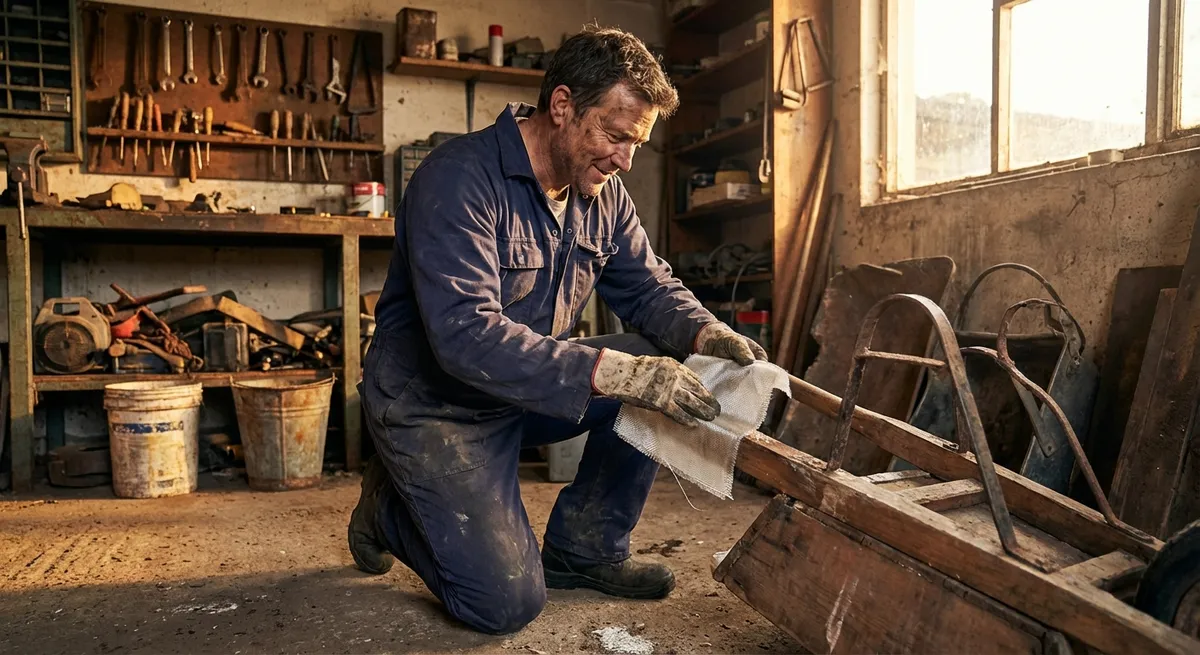
Tip 1: Diagnose the Root Cause Before You Touch a Tool
Jumping straight to patching is the easiest way to guarantee a repeat failure. Effective repair starts with a structured diagnosis:
- Start with the environment, not the damage. For cracks, stains, or rot, ask: Is this caused by water, movement, impact, UV exposure, or a combination? A cracked tile near a doorway may be a structural movement issue, not just bad grout.
- Track water first. If you see stains, peeling paint, or efflorescence (white, powdery residue on masonry), trace the water path from roof to foundation. Check gutters, downspouts, flashing, grading, and sealants.
- Check for movement. Use a straightedge or long level on floors and walls. Misaligned doors, uneven floors, or repeated caulk cracking often point to structural movement or seasonal expansion/contraction.
- Document before disturbing anything. Take photos of cracks, stains, and connections from multiple angles. For professionals, this supports change orders and warranty discussions; for DIYers, it helps if you need expert advice later.
- Use simple test tools.
- Moisture meter for wood, drywall, and subfloors.
- Infrared thermometer or thermal camera (even some phone add-ons) to spot insulation gaps or hidden leaks.
- Plumb bob or laser for checking framing issues.
- Distinguish cosmetic vs. structural. Hairline drywall cracks from seasonal movement are different from stepped cracks in brick or severe foundation movement. When in doubt with structure, bring in a licensed engineer or qualified contractor.
A repair that ignores the underlying cause—water intrusion, movement, or load—will fail again, often in exactly the same spot.
Tip 2: Match Repair Materials to the Existing Substrate
Many repairs fail because materials are chosen for convenience, not compatibility. The existing substrate (what you’re bonding to) should drive your selection:
- Rigid vs. flexible matters.
- Use rigid materials (e.g., epoxy, cement-based compounds) only where movement is minimal.
- Use flexible sealants (e.g., polyurethane or high-quality silicone) where expansion, contraction, or vibration is expected—around windows, doors, penetrations, and transition joints.
- Respect porosity and vapor behavior.
- Old masonry often needs breathable repair materials (like lime-based mortars) so moisture can escape.
- Avoid sealing porous materials completely with non-breathable coatings unless you’ve accounted for where trapped moisture will go.
- Follow like-with-like when possible.
- Wood repaired with wood (plus structural adhesives or mechanical fasteners) typically outperforms fillers alone in load-bearing spots.
- Mortar and concrete should be repaired with mixes designed for those applications, not generic spackle or joint compound.
- Read the data sheet, not just the label. Look for:
- Recommended substrates and surface prep.
- Working time and full cure time (not just “dries in X hours”).
- Temperature and humidity limits for application.
- Mind chemical compatibility.
- Some adhesives and foams can degrade plastics or insulation.
- Silicone doesn’t adhere well to previously applied silicone; acrylic latex may not bond well over oily or chalky surfaces.
- Test in a small area first. Especially on older finishes, paints, or specialty materials, a small test spot can save you from adhesion failures or discoloration.
When you match repair materials to the substrate’s movement, porosity, and conditions, you significantly extend the life of the fix.
Tip 3: Surface Prep Like a Pro—Most Repairs Fail Here
If the base is weak or dirty, even premium repair products won’t last. Proper surface preparation is often 70–80% of a durable repair:
- Remove all loose and failing material.
- Scrape off peeling paint, crumbly mortar, loose concrete, and deteriorated caulk.
- On concrete and masonry, undercut or square off edges of spalls instead of leaving feather edges that will chip out.
- Clean thoroughly and let it dry as specified.
- Degrease surfaces that have seen oils or household cleaners—especially garage floors, kitchen walls, and exterior siding.
- Dust, chalk, and construction debris can break the bond; vacuum or blow out cracks before filling.
- Mechanically roughen smooth surfaces when required.
- Light sanding, wire brushing, or grinding can dramatically improve adhesion on metal, old coatings, or troweled concrete.
- Avoid polishing the surface; you want a profile for the new material to grip.
- Address moisture correctly.
- For many cement-based products, slightly damp (but not saturated) substrates can improve bond.
- For sealants and most paints, the surface should be dry within manufacturer specs—don’t guess; check humidity and temperature.
- Prime when recommended—don’t skip.
- Masonry, metal, and some woods benefit immensely from appropriate primers.
- Specialized bonding primers for glossy or difficult surfaces prevent surprise failures later.
- Protect surrounding areas.
- Drop cloths, masking tape, and plastic sheeting are not just about cleanliness; they allow you to work efficiently and focus on detail where it matters.
Professionals who consistently get long-lasting results almost always have disciplined, repeatable surface-prep routines.
Tip 4: Build Repairs for Movement, Not Perfection on Day One
Real buildings move. Repairs that ignore that reality often look perfect at completion and then fail within a season. Plan for how the assembly will behave over time:
- Use appropriate joint design.
- Sealant joints need adequate depth and width, and often a backing rod, so they can stretch and compress without tearing.
- Hard materials (grout, mortar, patching compounds) should not bridge active control joints or expansion joints.
- Allow for expansion and contraction.
- Long runs of flooring, siding, and trim need gaps and flexible transitions. Tight, “perfect” joints may look clean but can buckle or crack later.
- Around windows and doors, expect movement from temperature changes and structural shifts, and use flexible perimeter seals.
- Reinforce when the substrate is unstable.
- For drywall cracks from minor movement, consider joint tape plus compound instead of compound alone.
- With wood repairs, sistering another piece of lumber or adding proper fasteners can stabilize the area better than filler alone.
- Respect manufacturer thickness limits.
- Don’t overbuild with a single thick layer of patch material; apply in lifts where specified. Excessive thickness can trap moisture or cure unevenly.
- Think about load paths.
- If a repair will carry weight (shelves, handrails, anchors), confirm what’s behind it—studs, blocking, or solid masonry—and use fasteners and anchors rated for that material.
- Avoid brittle patches at transition points.
- Where different materials meet (wood-to-masonry, tile-to-wood, metal-to-drywall), avoid solid, rigid fillers unless they’re specifically designed for that interface.
Repairs last longer when they’re allowed—and designed—to flex without breaking.
Tip 5: Finish and Maintain Repairs So They Stay Invisible
A repair that’s structurally sound but visually obvious often invites rework. Finishing and maintenance close the loop on a professional-grade job:
- Blend textures carefully.
- For drywall, match existing texture by practicing on scrap or a test board before committing.
- On exterior surfaces, use appropriate tools (brush, roller, sponge, trowel) to mimic surrounding patterns.
- Color match with planning, not guessing.
- Paint from older projects likely changed due to UV and aging. Always test new paint in a small area and view it in the same lighting.
- For masonry and grout, consider sample kits or manufacturer color charts and be prepared for some variation as materials cure.
- Seal where needed, but don’t over-seal.
- Exposed wood, masonry, and some metals benefit from protective coatings; choose products rated for UV and environmental conditions.
- Avoid trapping moisture behind non-breathable coatings unless the full system is designed for that approach.
- Create a simple maintenance schedule.
- Add key checkpoints to your calendar: seasonal exterior inspections, re-caulking windows and penetrations as needed, checking joints and sealants in high-movement areas.
- For commercial or multi-unit properties, maintain a log with dates, products used, and photos—this supports warranty claims and future troubleshooting.
- Train occupants or clients.
- Explain what to watch for (hairline vs. structural cracks, signs of moisture, recurring sounds or movement).
- Give clear care instructions: what cleaning agents are safe, when to avoid pressure washing, or how to avoid damaging newly repaired areas.
- Document product info.
- Record product names, batch numbers, and application dates. For long-term buildings, this information is invaluable when planning future work or troubleshooting failures.
The most successful repairs are the ones you forget about because they disappear into the background—and stay that way.
Conclusion
Durable repairs aren’t about quick fixes; they’re about respecting how materials behave in real environments. By diagnosing root causes, matching materials to substrates, investing in surface prep, designing for movement, and finishing with maintenance in mind, you dramatically improve both the lifespan and appearance of your work. Whether you’re managing a portfolio of properties or taking care of a single home, these principles reduce callbacks, rework, and surprise failures—freeing you to focus on the next project instead of redoing the last one.
Sources
- U.S. Department of Housing and Urban Development – Residential Rehabilitation Guide - Covers principles of durable residential repairs, materials, and building performance
- Building America Solutions Center – U.S. Department of Energy - Technical guides on moisture management, air sealing, and building assemblies that influence long-term repair success
- American Concrete Institute (ACI) – Concrete Repair Guides - Provides best practices for concrete surface preparation, repair materials, and durability
- ASTM International – Standards for Sealants and Joint Design - Details performance and application standards for sealants and joints used in building repairs
- National Institute of Building Sciences – Whole Building Design Guide - Offers guidance on building envelopes, moisture control, and movement joints that directly affect repair strategies